STEM
STEM along with critical thinking skills, collaboration, and teamwork are skills that are vital to our state’s and our nation’s workforce and economic development. Out of school time (OST) programs support classroom learning by providing an informal setting for additional, hands on, engaging and innovative activities where students are able to explore, learn, make and question.
Principles of Quality STEM Activities
- are for all students
- are intentional and standards-based (SC STEM Standards)
- are active, interesting, and relevant to students
- reflect current research and practices
- are age-level appropriate
- integrate skills from different subjects
- incorporate staff training in science teaching
- are based on ongoing assessment of student needs and progress
Featured Opportunities🚀
NOW OPEN: 2027 Flight Crew Applications
Applications are OPEN for the 2027 STEM Next Flight Crew!
STEM Next is looking for youth ages 13–18 who have participated in afterschool, summer or other out-of-school STEM programs and are ready to share their STEM stories.
Selected teens will represent their states as part of a national cohort while building leadership and communication skills and championing the value of afterschool and summer STEM.
Encourage a young person in South Carolina to apply by Oct. 29: https://bit.ly/4xPaYvz
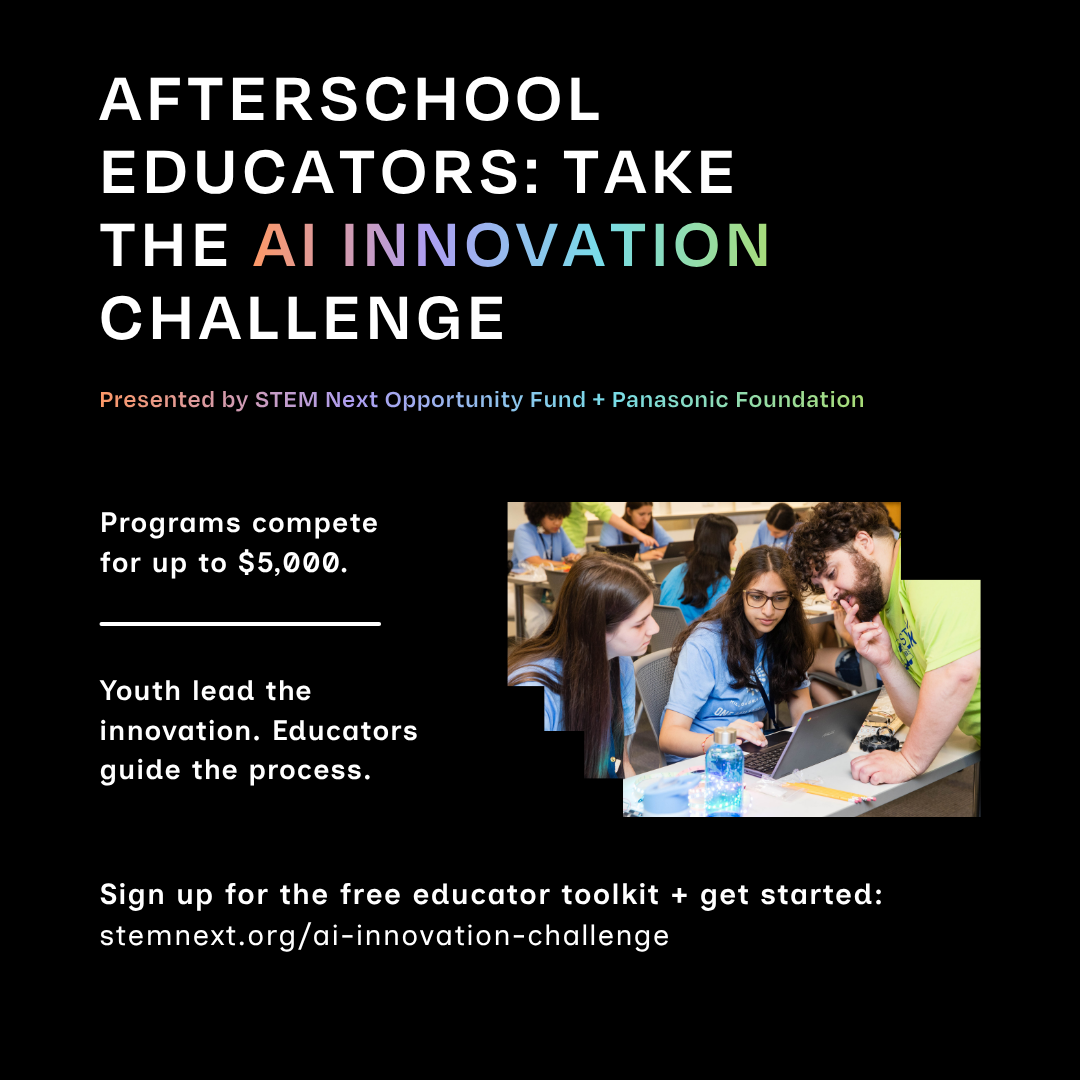
AI Innovation Prize Challenge From STEM Next + Panasonic Foundation
The AI Innovation Challenge from @STEMNext and @Panasonic Foundation is designed specifically for afterschool and other out-of-school-time programs serving high schoolers.
Youth lead the innovation. Educators guide the process. Winning programs can earn up to $5,000 in prize funding. Submissions are due by Nov. 19, 2026. Sign up: https://bit.ly/4i3Dchn
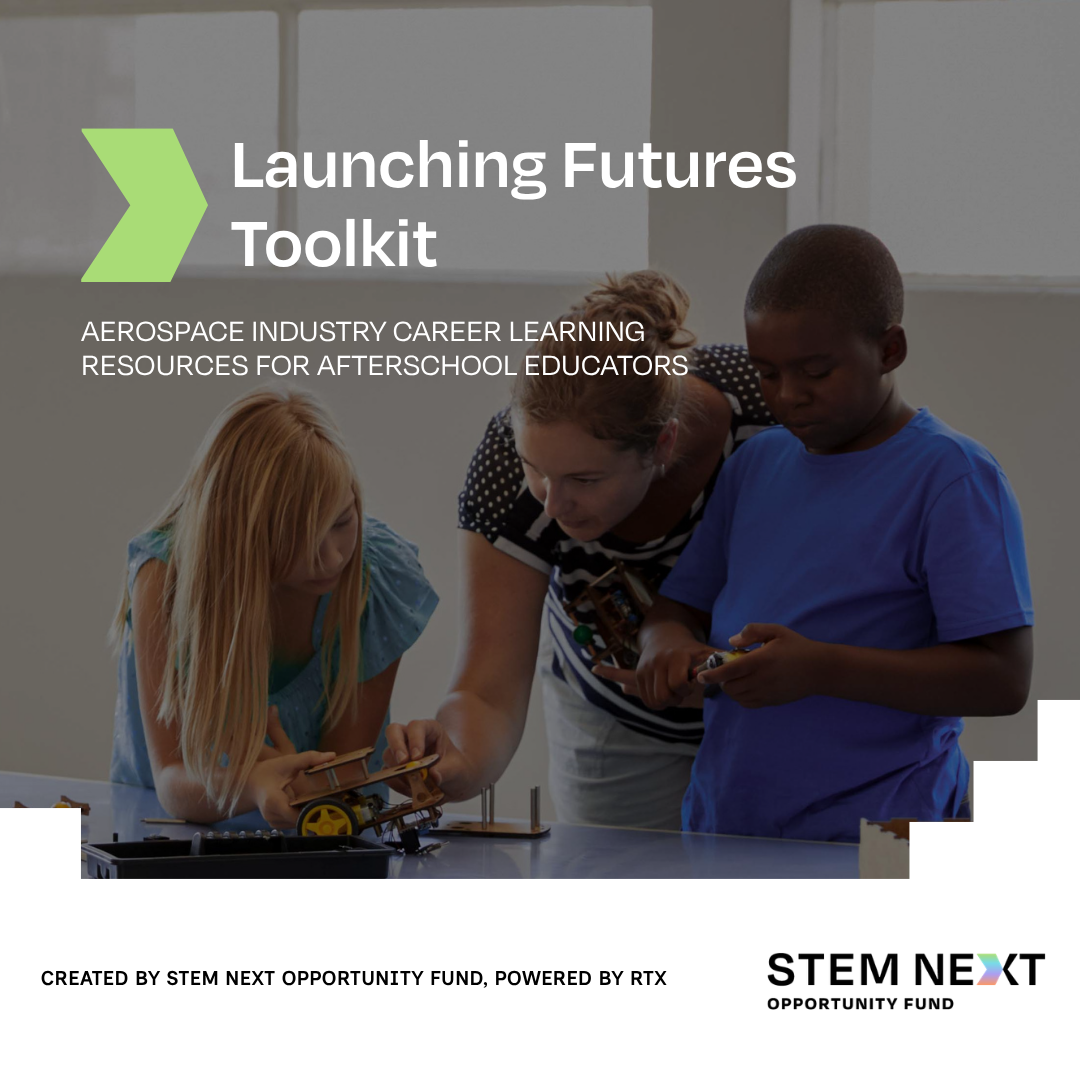
Launching Futures: A New Toolkit from STEM Next
Help young people discover the exciting careers shaping the future of space exploration.
The free Launching Futures Toolkit, created by STEM Next and powered by RTX, makes it easy to bring aerospace career exploration into your afterschool or summer program with hands-on activities, career profiles, educator trainings, and resources from partners including NASA and the Smithsonian.
Explore the toolkit:https://bit.ly/46dqmpD
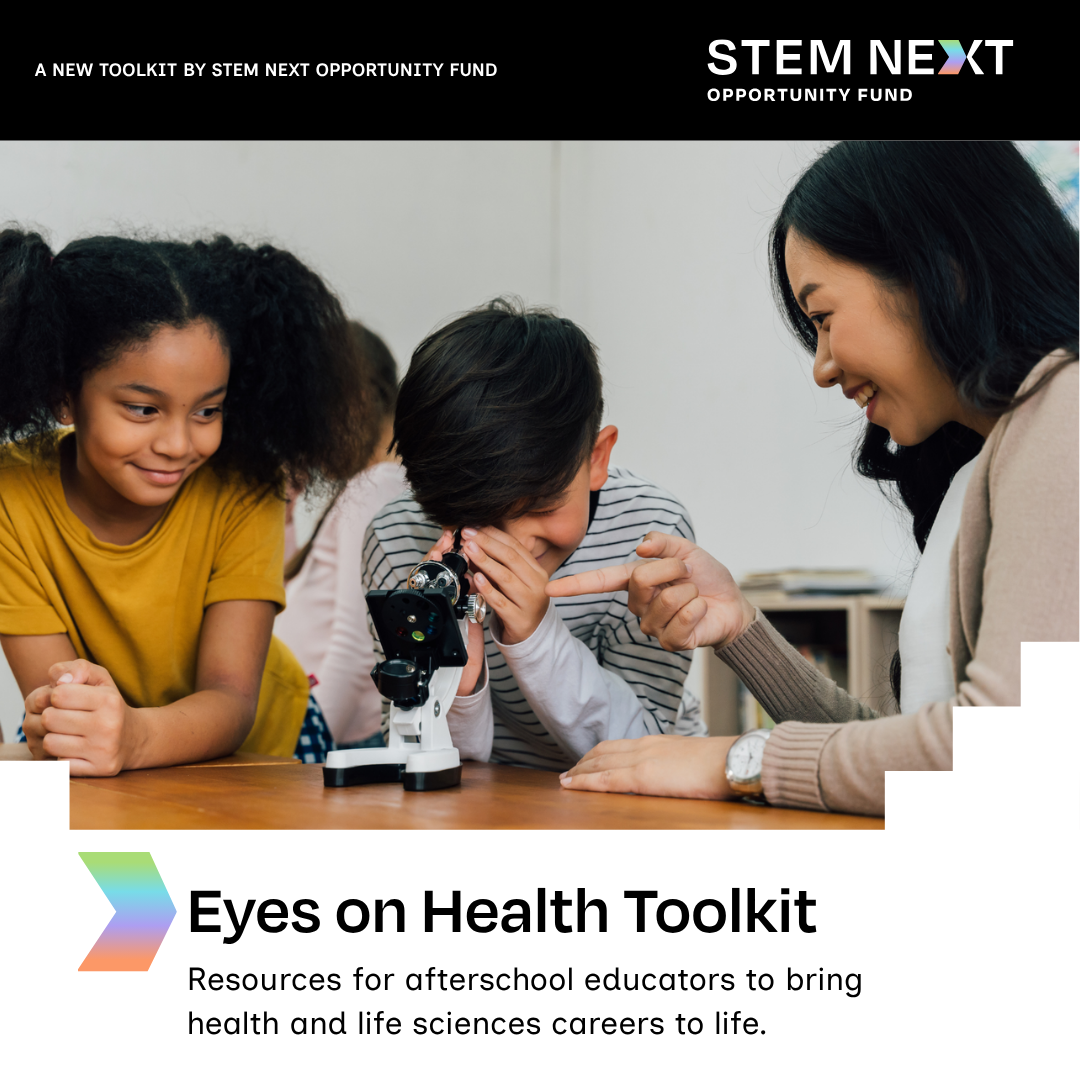
Eyes on Health: A New Toolkit from STEM Next
Help youth explore careers in health and life sciences with the Eyes on Health Toolkit from @stemnext. Find hands-on activity bundles, educator guides, and career profiles that connect STEM learning to real-world careers and skills.
Explore the toolkit: https://bit.ly/4h4Ndc0
Professional Development Opportunities🚀
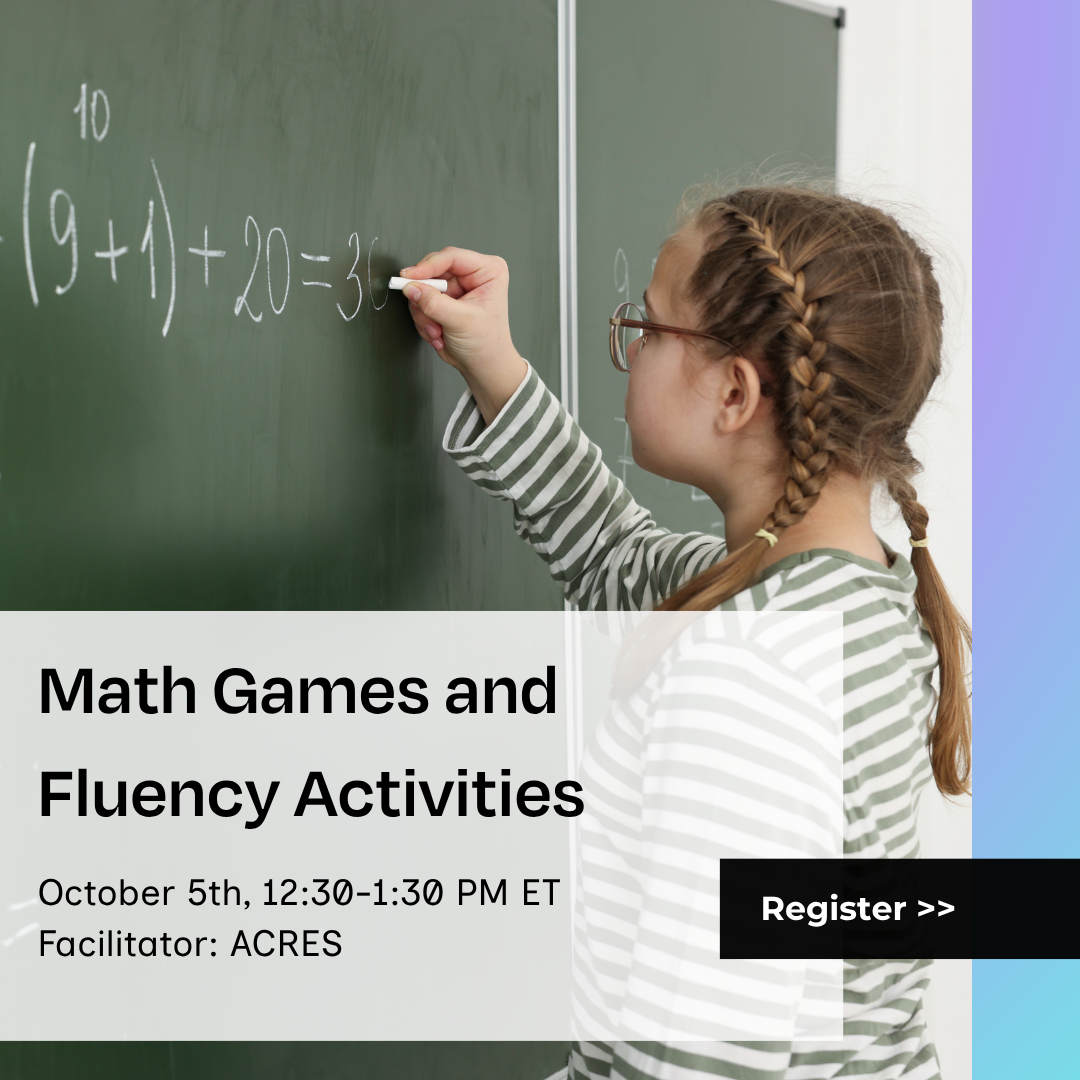
Math Games and Fluency Activities
Join ACRES on October 5 from 12:30–1:30 PM ET for a free, live virtual workshop exploring math games and activities that help young people strengthen math facts and computational fluency while having fun.
Educators will leave with engaging ideas they can bring back to their programs and use with youth right away.
Register: https://bit.ly/4xtzd1V
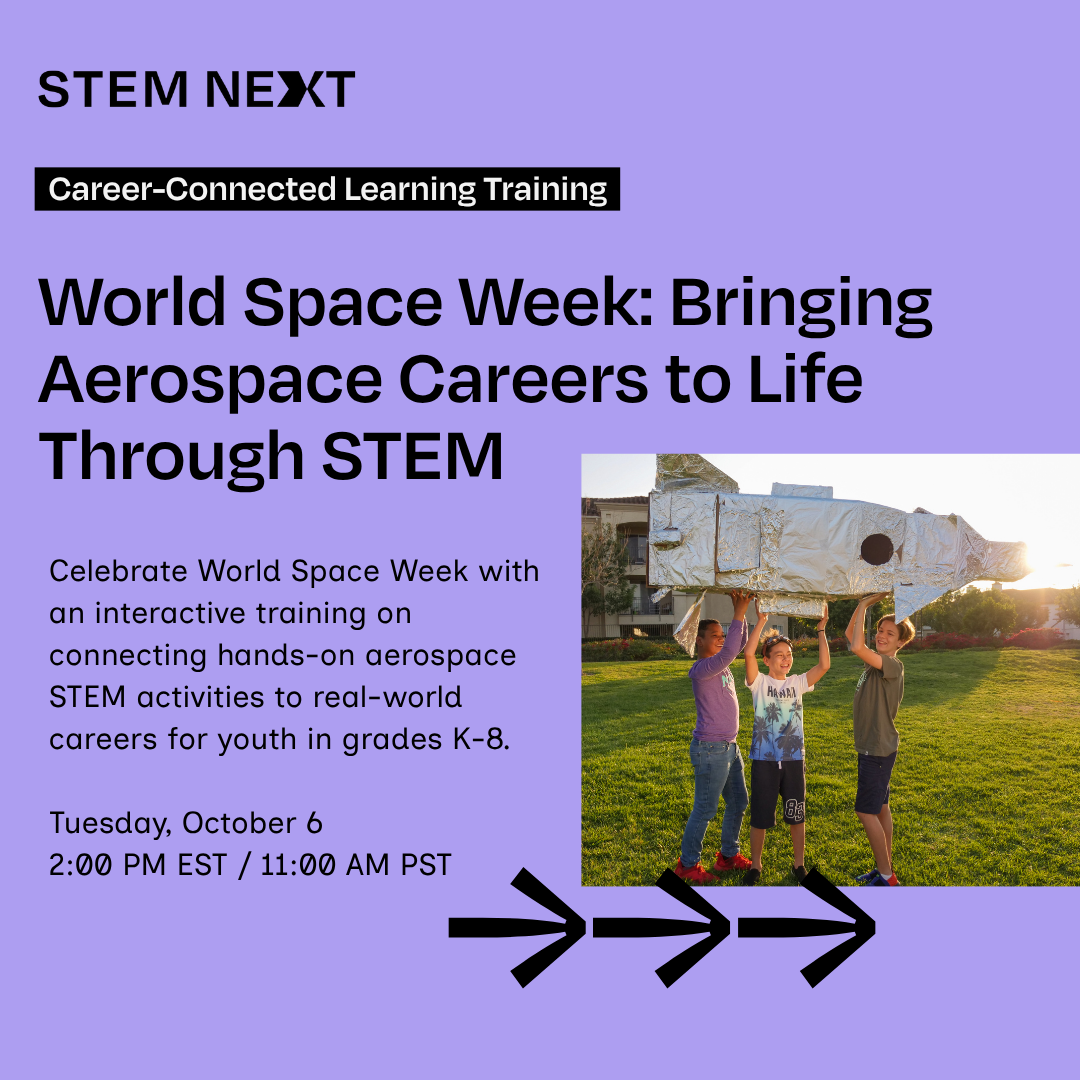
World Space Week: Bringing Aerospace Careers to Life Through STEM
Celebrate #WorldSpaceWeek on Oct. 6 at 2 PM ET! Afterschool and summer educators can explore hands-on ways to connect K–8 youth with aerospace careers, skills, and possibilities.
Plus, a chance to win STEM kits or a $100 gift card.
Register: https://bit.ly/4dssBtl
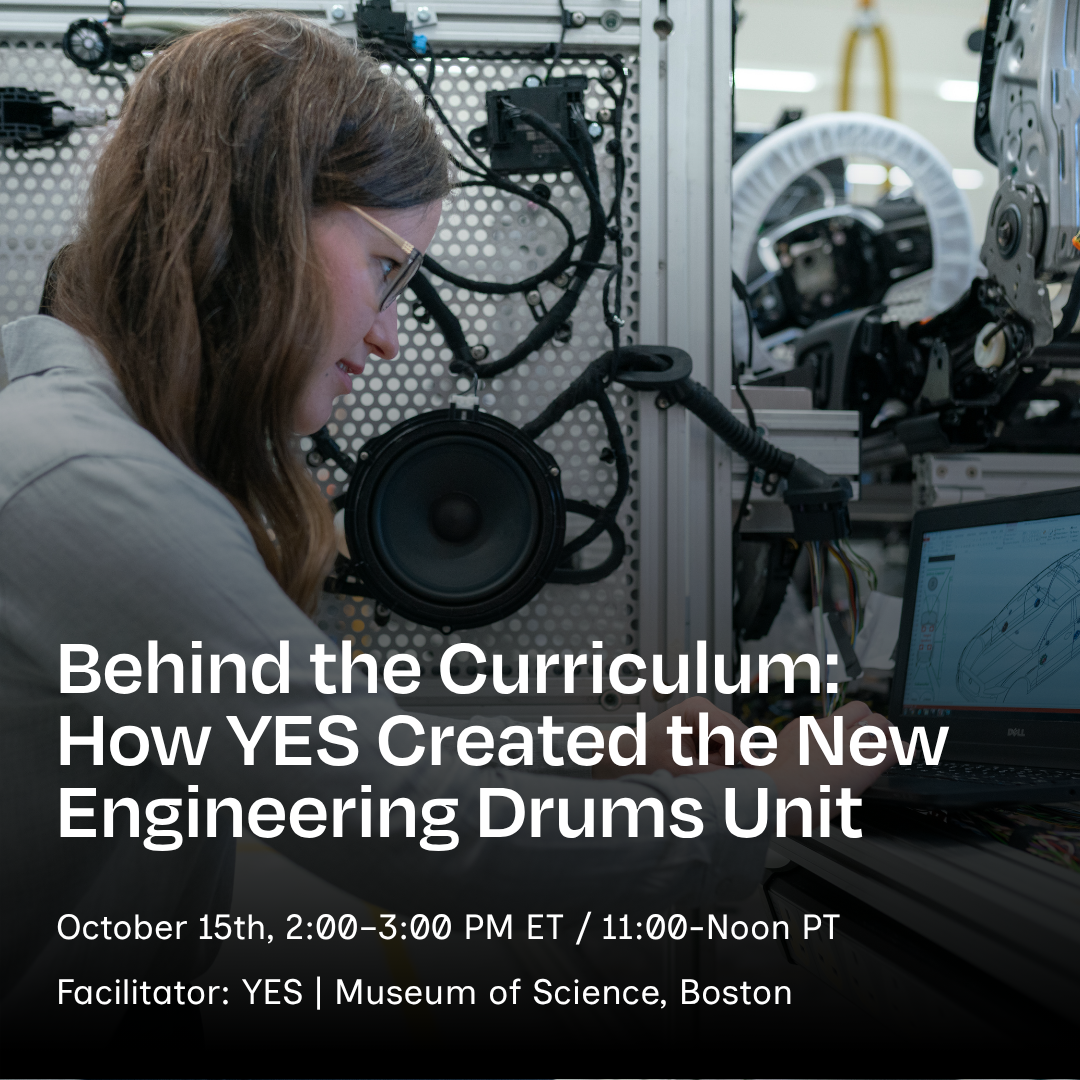
Behind the Curriculum: How YES Created the New Engineering Drums Unit
Join the Youth Engineering Solutions curriculum team on October 15 from 2:00–3:00 PM ET for a behind-the-scenes look at the development of the new Engineering Drums unit.
Using the Engineering Design Process, the team will share how an initial idea evolves through learning goals, classroom testing, evidence, and educator feedback. You’ll leave with a deeper understanding of how YES develops its curriculum and new ideas for using the Engineering Design Process in your own learning environment.
Register: https://bit.ly/4xWLc9l
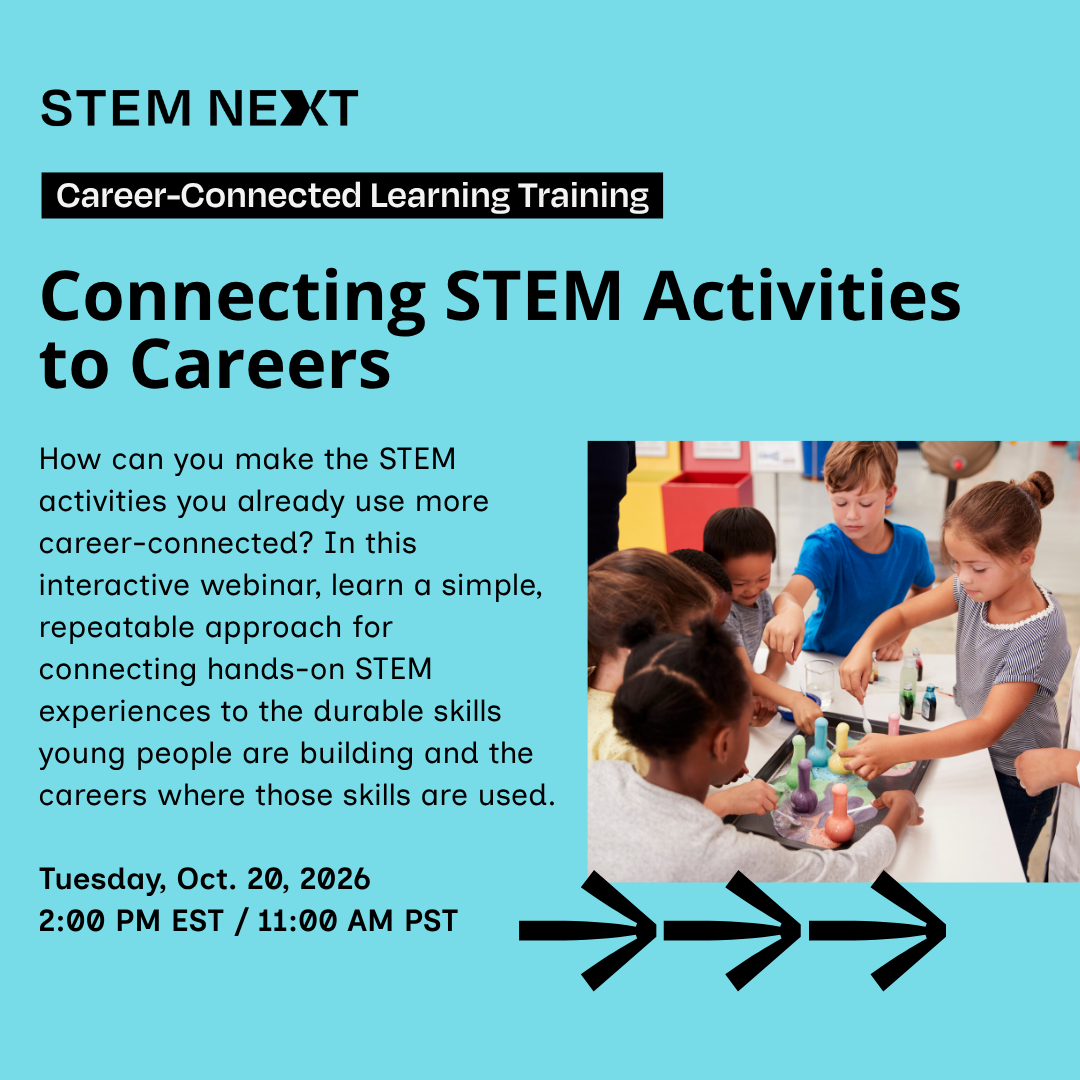
Connecting STEM Activities to Careers
Join @stemnext on October 20 from 2:00–3:00 PM ET for an interactive webinar featuring 10 hands-on STEM and engineering activities for youth in grades K–8. Explore how familiar activities can help youth build skills like problem-solving, collaboration, creativity, and critical thinking while making connections to real-world STEM careers.
Participants will leave with 10 ready-to-use activities, plus a chance to win STEM kits or a $100 gift card for their programs.
Register: https://bit.ly/4heGQmC
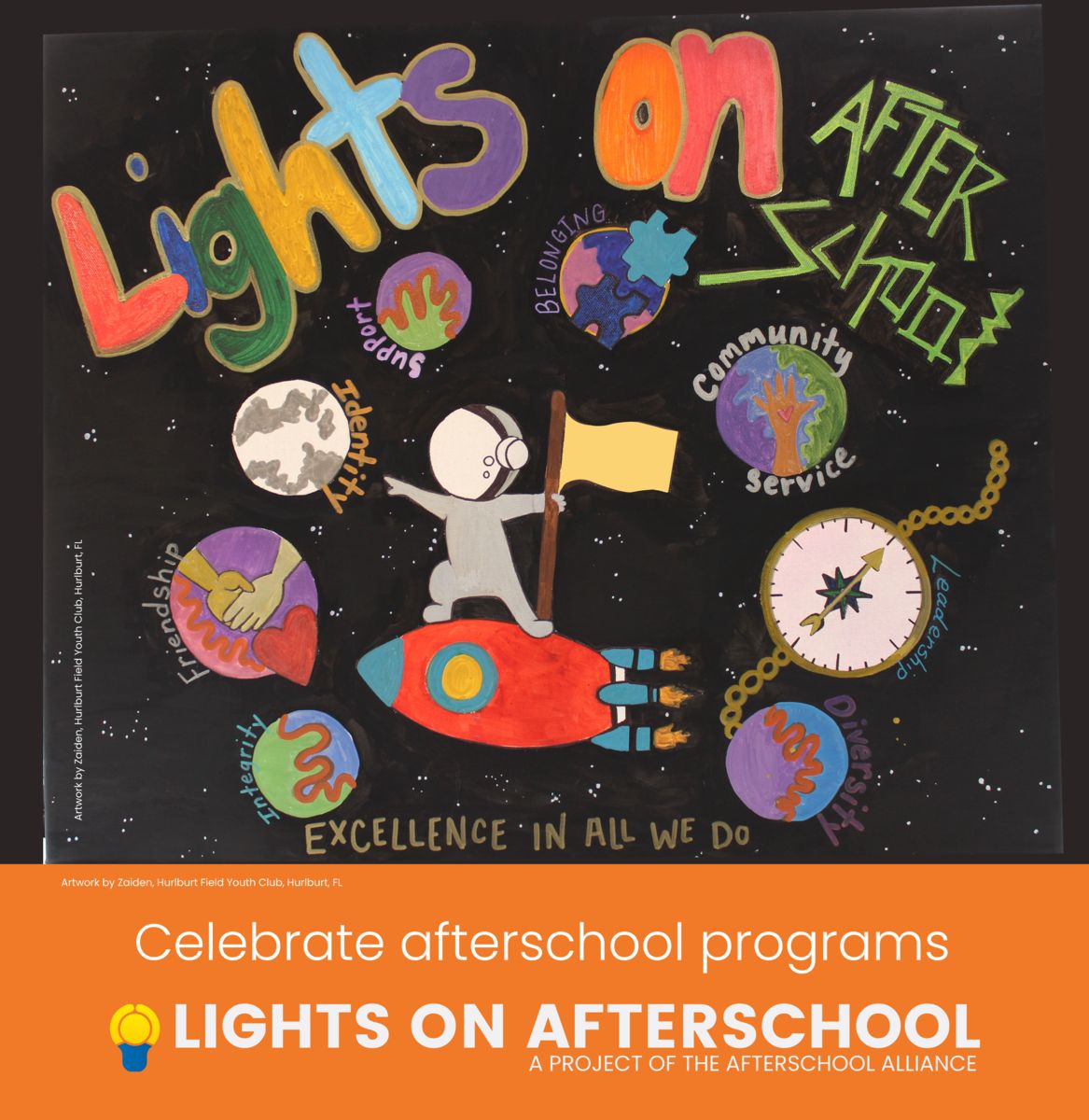
Lights on Afterschool
We’re proud to join communities all across America celebrating #LightsOnAfterschool on October 22! There are tons of ways to join the nation’s largest showcase of afterschool programs. Sign up now and you’ll receive free posters, tips, & guidance: http://3to6.co/LightsOn-Signup
Role Models Matter
Role models play a critical role in shaping a girl’s STEM identity, interest and aspirations. Although many STEM professionals are well intentioned to share their journey and experience, many don’t quite know how to go about engaging girls in conversation or telling their personal story.
This course is hosted in Circle, Techbridge Girls’ learning platform. When you click Start Course, you’ll be prompted to create a free account. After signing in, you’ll be taken directly to the course and can begin the training right away. SIGN UP FOR TRAINING HERE
Activities for Youth🚀
TECH Quest Activities: Using Tech for Good
Looking for a new way to bring real-world problem solving into your afterschool program using technology?
The TECH Quest activities from STEM Next are designed to help afterschool and summer educators guide youth through hands-on challenges that connect tech learning to real community and global issues. Explore three ready-to-use lessons designed for grades 5-8: https://bit.ly/3SYNDsD
10 Afterschool STEM Activities for All Grade Levels That Connect Learning to Careers
The new Out-of-School Time Top Ten Activity Bundle from STEM Next brings career-connected learning to life in ten new activities made for every grade level.
Career-connected learning helps youth understand the world of work, build critical life skills, and imagine themselves in a range of future possibilities. The bundle builds on STEM activities commonly used in afterschool programs, adding a career-connected learning lens that helps young people explore the real-world careers and skills connected to what they’re doing.
Check out the activities: https://bit.ly/4Aq2fCg
10 Easy STEM Career Classroom Activities
From Vivify STEM, check out these 10 activities with strategies to bring STEM careers to life in afterschool and summer learning programs. All activities connect to real work careers and connect STEM directly to youth interests.
Other Resources🚀
How to Learn Math: For Students
How to Learn Math is a free self-paced class for learners of all levels of mathematics. It combines really important information on the brain and learning with new evidence on the best ways to approach and learn math effectively. Many people have had negative experiences with math, and end up disliking math or failing. This class will give learners of math the information they need to become powerful math learners, it will correct any misconceptions they have about what math is, and it will teach them about their own potential to succeed and the strategies needed to approach math effectively.
If you have had past negative experiences with math this will help change your relationship to one that is positive and powerful. The course will feature videos of math in action – in dance, juggling, snowflakes, soccer and many other applications. It is designed with a pedagogy of active engagement. The course is planned to remain available indefinitely. Access English and Spanish versions here.
Launch into a New School Year with NASA
A new school year brings fresh opportunities to get involved with NASA. Whether you’re curious about space or eager to build durable skills for future employment, NASA offers a world of experiences putting you close to the action. As we enter a new golden age of exploration, there’s no better time to jump in, try something bold, and see where your curiosity takes you. This article gives a summary of how educators, families and youth can connect to NASA’s resources.
Youcubed at Home: Math Activities to be Done at Home
From Youcubed, this page shares different activities that have been designed to do with children at home.
- Counting All the Things (K-12) — In this activity, explore ways of counting large amounts of flowers, trees, birds, people, and more in spaces and places you go. While you’re out for a walk in the neighborhood or making a run to the grocery store, take a picture of a crowded flower patch or bread aisle and discuss ways of counting how many flowers or loaves of bread there are. Print the picture, annotate it using any image editing software available to you, or upload it to Geogebra to use the grid lines and their other tools. Think about different ways of counting and representing your thinking visually. If you want to explore algebra, ask yourself questions like, if my bedroom floor was covered in flowers like this flower patch, how many flowers would it take? Consider modeling your thinking about questions like this using algebra and generalizing it for any space.
- Reduce, Reuse Geometry (3-12) — Intersecting a 3D shape and a plane might seem intimidating, but a few bottles, a box cutter, and some creativity can give us some insight into what it can look like. A particularly interesting 3D shape to cut is the cone, as depending on how we cut, we can get circles, ellipses, and parabolas (hyperbolas too; those are harder to cut out). Thankfully, many bottles include cones, so we can have some fun cutting up bottles and using the conic sections we get to make art. Watch the video below for more details and some examples!
- Fraction Hunt (2-8) — Fractions are all around us! Walk around the house, yard and neighborhood with your child. Where do you see fractions? What would you call one part of the whole? For example, one rectangular stepping stone of 13 equally sized stepping stones would be 1/13th of the stepping stones. What if the objects are different sizes? Can they still be represented as a fraction? In the video, Kate represents one black key on the piano as one out of the total number of black keys. However, one white key can’t be represented as a fraction of all of the white keys since they are different sizes. Can you represent the object in more than one way? For example, ⅕ is equivalent to 2/10. Can you see this in the object?
Research-Based Practices & Career Awareness and Exploration
STEM Next aims to raise awareness of research-based practices proven to increase the quality of STEM learning experiences for youth, and is committed to strengthening career awareness and exploration in out-of-school time so youth are prepared for whatever comes NEXT.
- Career-Connected Learning Is Having a Moment — Across the country, school systems, employers, and policymakers are racing to expand opportunities that connect students to real work and real professionals. The momentum is encouraging. For those of us who have been working in this space, it feels like the wind is finally at our backs. But moments of rapid momentum also deserve reflection. When demand for an idea accelerates, the marketplace responds quickly. New providers emerge. Frameworks multiply. Implementation checklists appear. Before long, the conversation can drift toward the mechanics of delivery—how many internships, how many partnerships, how many experiences. And quietly, almost unintentionally, we risk losing sight of the deeper question: Why are we doing this work in the first place? Read this article to explore how the real power of career-connected learning doesn’t come from connecting students to jobs. It comes from helping young people discover who they are.
- A Year of Career-Connected Learning: Early Lessons from the Field — Since the framework’s launch in 2025, STEM Next has led a multi-pronged field-building effort to help educators put it into practice through free virtual training sessions, practical resources, and a six-state implementation initiative with statewide afterschool networks. Along the way, educators helped test, refine, and strengthen the approach, generating valuable insights from both program leaders and young people that will inform future expansion across the afterschool and summer learning field. Together, these efforts have helped build the capacity of 1,500 educators, statewide leaders, and other afterschool professionals who collectively serve more than 113,000 young people. This article explores a few of the most important lessons STEM Next has learned so far.
- Math Happens, Naturally — What if some of the best opportunities for math learning were already waiting just outside the door? Many families look for ways to keep math skills strong throughout the year. Supporting math learning doesn’t require special materials or structured lessons. While access to outdoor spaces varies from a balcony to a neighborhood sidewalk, park, backyard, or riverbank, rich math conversations can happen through noticing, wondering, and exploring outdoors. This article provides specific ways educators and parents/caregivers can support math learning in afterschool and at home.